Indian Journal of Pharmacy and Pharmacology
Indian Journal of Pharmacy and Pharmacology (IJPP) is an open-access, peer-reviewed pharmacy journal, published quarterly, as print and online by the Innovative Education and Scientific Research Foundation (IESRF) since 2014. we will be publishing articles ‘Ahead of Print’ immediately upon acceptance of manuscript. In addition, the journal allows free access (Open Access) to its contents, which is likely to attract more readers and citations to articles published in journal.Manuscripts should be prepared in accordance with the author guidelines of the journal, which follow the recommendations...
Preclinical comparative evaluation study of sinapic acid and curcuminoids on mouse model of depression

Abstract
Aim and Scope: This preclinical study aimed to evaluate and compare the antidepressant potential of two natural phytochemicals—sinapic acid and curcuminoids—using a validated reserpine-induced mouse model of depression.
Background: Depression is a complex neurobehavioral disorder frequently linked to oxidative stress, neuroinflammation, and impaired neuroplasticity. Natural polyphenolic compounds like sinapic acid and curcuminoids have gained attention as novel therapeutic agents due to their strong antioxidant and neuroprotective profiles.
Materials and Methods: Animal model: Swiss albino mice of both sexes were randomly divided into five groups ( per group): Normal Control, Disease Control (Reserpine), Standard Treatment (Fluoxetine), sinapic acid-treated, and curcuminoid-treated. Treatment protocol: Respective treatments were administered daily for 14 consecutive days. Behavioral Assessments: Following treatment, antidepressant activity and post-experimental recovery persistence were evaluated using- Open Field Test (OFT): Assessed locomotor activity and grooming behavior, Tail Suspension Test (TST): Measured despair-like behavior (immobility time), Sucrose Preference Test (SPT): Evaluated anhedonia (pleasure-seeking behavior).
Results: Both sinapic acid and curcuminoid treatments significantly reversed reserpine-induced depressive-like deficits: OFT: Restored locomotor activity and reduced grooming behavior, TST: Markedly decreased total immobility time. SPT: Increased relative sucrose preference, indicating a reduction in anhedonia.
Conclusion: Sinapic acid and curcuminoids demonstrate significant antidepressant-like effects that persist post-treatment. These beneficial actions are primarily mediated through the attenuation of oxidative stress, enhancement of endogenous antioxidant defenses, suppression of neuroinflammation, and activation of BDNF-mediated neuroplasticity pathways. Both phytochemicals represent promising candidates for novel depressive disorder therapies.
1. Introduction
Major depressive disorder (MDD) is a highly prevalent psychiatric condition that imposes a substantial global health and socioeconomic burden presented by Malhi et al., 2018. It is clinically characterized by persistent low mood, anhedonia, cognitive dysfunction, and disturbances in sleep and appetite. These symptoms are often accompanied by fatigue, impaired concentration, feelings of guilt or hopelessness, and, in severe cases, suicidal ideation. To meet the diagnostic criteria for MDD, these symptoms must persist for at least two weeks and significantly impair daily functioning.
Despite the availability of conventional antidepressants, such as selective serotonin reuptake inhibitors (SSRIs) and monoamine oxidase (MAO) inhibitors, a significant proportion of patients fail to achieve full remission. Moreover, these therapies are associated with a delayed onset of action and various adverse effects, highlighting the need for safer and more effective therapeutic approaches.[1] In this context, increasing attention has been directed toward Phytochemicals of multi-target mechanisms. Hydroxycinnamic acids (sinapic acid) and polyphenols (curcuminoids) exhibits antioxidant, anti-inflammatory, neuroprotective, and neurotransmitter-modulating properties that are closely associated with the pathophysiology of depression.[2]
The olfactory bulbectomy (OBX) model and Reserpine Induced model is a well-established and widely utilized preclinical model for the evaluation of antidepressant agents. This model reproduces several behavioral and neurobiological characteristics of major depressive disorder, including hyperactivity, cognitive deficits, neuroinflammation, reduced brain-derived neurotrophic factor (BDNF) levels, and dysregulation of the hypothalamic–pituitary–adrenal (HPA) axis. Owing to its ability to mimic key features of depression and predict antidepressant efficacy, the OBX model is extensively employed in preclinical antidepressant research.[3][4] Both SA and curcuminoids have demonstrated antidepressant-like and neuroprotective effects in experimental studies, but direct comparative investigations in depression models remain limited.[5][6][7] Therefore, a comparative evaluation of these phytochemicals is necessary to better understand their therapeutic potential and underlying mechanisms in the treatment of depression.
1.1. Scientific and rationale basics of study
Conventional antidepressants mainly target monoaminergic pathways; their clinical use is limited by delayed onset of action, partial efficacy, and adverse effects. In contrast, phytochemicals like Sinapic acid (SA) and curcuminoids are selected as antidepressant-like effects through antioxidant, anti-inflammatory, and MAO inhibitory mechanisms. Because SA and curcuminoids reduces oxidative stress and suppress inflammatory mediators including NF-κB, TNF-α, and IL-1β, which are implicated in depressive disorders.[5] Curcumin has been also shown to enhance hippocampal BDNF and cAMP Response Element-Binding Protein (CREB) signaling, while SA exhibits neuroprotective and cholinergic restorative effects, although direct evidence in OBX models are reported.[8] In addition, both compounds possess MAO inhibitory activity that may enhance monoaminergic neurotransmission and contribute to their antidepressant potential.[9]
Selection criteria for Sinapic acid and curcuminoids: Natural compounds with established safety profiles. Reported antidepressant activity in preclinical or clinical studies. Neuroprotective, antioxidant, and anti-inflammatory properties. Availability of sufficient pharmacological and toxicological data. Relevance to depression-related biological pathways.
Research gap: Direct comparative studies between Sinapic acid and curcuminoids in the Reserpine induced model and in OBX model are lacking as antidepressant and neuroprotective.
1.1.1. Sinapic acid
It is a dietary phytochemical found in a variety of plant sources like fruits, vegetables, cereal, grains, oilseeds, spices, and medicinal herbs. SA is a naturally occurring hydroxycinnamic acid that belongs to the phenylpropanoid class of phenolic compounds, which are widely recognized for their therapeutic potential.
1.1.1.1. Pharmacological activities of sinapic acid
Antidepressant and neuroprotective effects: Sinapic acid exhibits antidepressant and neuroprotective properties through multiple mechanisms, including antioxidant, anti-inflammatory, anticholinesterase, and MAO inhibitory activities. Additionally, it modulates brain-derived neurotrophic factor expression and cholinergic neurotransmission, thereby contributing to its beneficial effects on mood regulation and cognitive function. Hippocampal neuroprotection: Protection of hippocampal neurons is mediated through modulation of GABAergic neurotransmission and attenuation of oxidative stress, thereby preserving neuronal integrity and function.[10] Neuroprotective and cognitive-enhancing effects: Improves cognitive function and protects against ischemic, hypoxic, and neurodegenerative neuronal damage through the restoration of cholinergic neurotransmission and maintenance of neuronal integrity.[8] Anxiolytic effects: Enhances GABAergic neurotransmission through the modulation of GABA receptor activity, thereby contributing to the regulation of neuronal excitability and maintenance of neurophysiological homeostasis.[11] Other pharmacological activities shown by SA are antidiabetic, cardioprotective, hepatoprotective, and anticancer effects, mainly associated with its antioxidant and anti-inflammatory properties.
1.1.2. Curcuminoids
Curcuminoids are polyphenolic compounds obtained from the rhizomes of Curcuma longa. It has low oral bioavailability, rapid metabolism, and fast systemic clearance.[12] Main constituent Curcumin can cross the blood–brain barrier; but its brain concentration remains low.[13] Therefore, Piperine and nano or lipid-based formulations are commonly used to improve its therapeutic efficacy. Curcumin is generally considered as safe and well tolerated.[14]
1.1.2.1. Pharmacological actions of curcuminoids
Anti-inflammatory activity: Curcuminoids exert potent anti-inflammatory effects by suppressing the activation of nuclear factor-kappa B (NF-κB) signaling pathways and downregulating the production of pro-inflammatory cytokines, including tumour necrosis factor-alpha (TNF-α) and interleukin-1 beta (IL-1β).[14] Antioxidant activity: Curcuminoids exert potent antioxidant effects by scavenging reactive oxygen species and enhancing the activity of endogenous antioxidant enzymes like superoxide dismutase, catalase and glutathione.[15] Antidepressant activity: Regulation of the levels of key monoamine neurotransmitters, including serotonin, dopamine, and norepinephrine, while enhancing BDNF signaling. These effects promote neuroplasticity, neuronal survival, and synaptic function, thereby contributing to their antidepressant activity.[3] Antidepression Effect in OBX models: Curcumin improves depressive-like behavior through antioxidant, anti-inflammatory, antiapoptotic, and MAO inhibitory mechanisms with enhanced effects reported when combined with Piperine.[6][7] Neuroprotective activity: Curcuminoids protect neurons against oxidative and inflammatory damage that supporting cognitive function and neuronal integrity.[14] Activities of curcuminoids like anticancer, antidiabetic, and cardioprotective effects has been reported.
2. Materials and Method
2.1. Chemicals and equipment
Sinapic acid procured as a pure chemical from Carbanio, India; Curcuminoids from Saptamveda, Pune, India; and Fluoxetine hydrochloride (Palam Pharma Pvt. Ltd.). Carboxy methyl cellulose and other chemicals of analytical grade Loba Chemise Pvt Ltd., Mumbai were used from the laboratory. Electronic weighing balance, micropipettes, ANY MAZE Video Tracking system for behavioral studies, Open field apparatus, Tail Suspension test apparatus, Homogenizer, Vortex mixer, etc., from the laboratory.
2.2. Qualitative tests for Sinapic acid and curcuminoids
Qualitative chemical tests were performed to verify the presence of phenolic hydroxyl and carboxylic acid functional groups, which are characteristic structural features of the selected phytochemicals.
2.3. Animals and ethical approval
Swiss albino mice of both sexes were used in study. The study protocol was approved by the institutional animal ethical committee (IAEC) and Protocol Approval Number IAEC:1568/RO/c/11/CPCSEA/2026/09.
2.4. Housing conditions for experimental study
Animals housed under standard laboratory conditions with a 12:12-hour cycle (light: dark) at controlled room temperature (25 ± 5°C), and relative humidity of 50 ± 10%. Mice were maintained in standard cages (16 × 34 × 49cm) with free access to standard pellet diet (Nutrivet Life Sciences, Pune, India) and water.[16] Prior to behavioral testing, animals were acclimatized to the testing room for at least 1 hour, and each animal used only once for a specific behavioral assessment to minimize test-related bias.[17][18]
2.5. Acute oral toxicity studies
Acute oral toxicity studies were conducted according to OECD guideline 423 using Swiss albino mice (30–40g). Animals were observed for 14 days following oral administration of SA and curcuminoid at doses ranging from 5–1000mg/kg body weight. No mortality or significant toxic signs were observed at any tested dose.
Previous studies and acute toxicity findings shown that SA and curcuminoids were safe up to 1000mg/kg body weight of mice; therefore, experimental doses were selected as 1/10th and 1/20th of the maximum safe dose ([Table 1]).[5][14]
|
Group No. |
Group Name |
Condition |
Dose (1ml) |
Route |
|---|---|---|---|---|
|
1 |
Normal Control |
No drug, no treatment |
- |
- |
|
2 |
Control |
Reserpine- induced |
0.5mg/kg (0.4ml) |
I.P. |
|
3 |
Standard |
Reserpine- induced |
10mg/kg (1ml) |
Oral |
|
4 |
Sinapic Acid |
Reserpine- induced |
25mg/kg (1ml) |
Oral |
|
5 |
Curcuminoids |
Reserpine- induced |
100mg/kg (1ml) |
Oral |
2.6. Experimental study
2.6.1. Drugs and dilutions
In this study, all treatments were freshly prepared daily and administered once by oral gavage (1ml) ([Table 1]). Reserpine was administered by intraperitoneally at a dose of 0.1mg/kg for 7 days to induce depression-like symptoms through monoamine depletion. Fluoxetine was administered orally at a dose of 10mg/kg in 0.5% carboxymethyl cellulose solution as the positive standard control; dose used to reverse reserpine-induced depressive behaviours.[19] Sinapic acid of analytical grade was freshly prepared in 0.5% CMC and administered orally at a dose of 25mg/kg daily during the treatment period. Curcuminoids were freshly prepared in 0.5% CMC solution and administered orally at a dose of 100mg/kg daily.[9]
2.6.2. Sample size of mice
Adult mice of either sex were randomly allocated in groups of six mice. Total 30 mice were used for behavioral study including the Open Field Test (OFT), Tail Suspension Test (TST), and Sucrose Preference Test (SPT). The sample size was calculated using statistical power analysis to ensure sufficient sensitivity for detecting significant treatment effects and to enhance the reliability and validity of the experimental findings.[5][9]
2.6.3. Reserpine-induced depression study
2.6.3.1. Acclimatization
Mice were acclimatized to standard laboratory conditions for one week before the experiment. During this period, baseline behavioral parameters such as body weight, locomotor activity, grooming behavior, and sucrose preference were recorded using the OFT.[16]
2.6.3.2. Induction of depression
Depression-like behavior was induced by administering reserpine once daily for 7 consecutive days. Reserpine depletes monoamine neurotransmitters by inhibiting vesicular monoamine transporter-2 (VMAT2) and depletes monoamine neurotransmitters. Rseserpin producing symptoms like immobility, behavioral despair and anhedonia that resemble human depression.[20][21] Behavioral alterations were assessed using the OFT, TST, and SPT by daily monitoring on general health and behavioral changes.[22]
Reserpine-induced depression model is used based on their reliability, validity, and reproducibility to reflect the biological and etiological features of depressive disorders.[23][24]
2.6.3.3. Drug treatment
Following the induction of depression, mice were administered the test compounds orally once daily from Day 7 to Day 14. The treatment regimen was designed to evaluate the antidepressant efficacy of the test compounds and their ability to reverse reserpine-induced depressive-like behaviors.[21] All treatments were given 30 minutes prior to behavioral assessments ([Table 1]).
2.6.3.4. Behavioral assessment
Behavioral evaluations were conducted using validated preclinical models OFT, TST, and SPT to assess locomotor activity, behavioral despair, anhedonia, and the antidepressant potential of the administered treatments.[16] Testing procedures were performed under minimally stressful conditions, with adequate intervals of 48–72 hours between major behavioral assessments. The experimental schedule included 7 days for depression induction then followed by 7 days of treatment and recovery evaluation. The OFT used to evaluate locomotor activity, rearing, and grooming as indicators of antidepressant activity presented by Prut and Belzung, 2003. Mice were acclimatized for 30 minutes and individually placed in the open field arena for 5 minutes, during which behavioral parameters were recorded. The TST was performed to evaluate behavioral despair activity.[22] Mice were suspended by the tail for 5 minutes using adhesive tape placed 2cm from the tail tip, and the immobility time was recorded. Reduced immobility time was considered indicative of antidepressant-like activity.[25] The SPT was used to assess anhedonia, a core symptom of depression.[26] Animals were provided access to bottles containing water and 1% sucrose solution; sucrose preference was calculated as the percentage of sucrose solution intake relative to total fluid intake.[21]
2.6.3.5. Statistical analysis
It is carried out using one-way ANNOVA, GraphPad Prism, SPSS, or R software, and p < 0.05 will be considered statistically significant.[27][28]
3. Results
3.1. Qualitative phytochemical confirmation
Preliminary qualitative phytochemical screening of SA and curcuminoids was carried out using standard chemical tests to confirm the presence of major bioactive functional group of constituents, particularly phenolic compounds and flavonoids.
Qualitative tests were performed to confirm the presence of phenolic and carboxylic functional groups characteristic of sinapic acid. Ferric chloride, lead acetate, alkaline reagent, and sodium hydroxide tests produced characteristic colour changes indicating phenolic compounds, while the sodium bicarbonate test confirmed acidic functional groups through effervescence.[29][30] Qualitative chemical analyses confirmed the presence of characteristic functional groups of sinapic acid (SA), including phenolic hydroxyl groups, conjugated double bonds, and carboxylic acid moieties, thereby verifying its chemical identity.
Similarly, the present qualitative phytochemical analysis confirmed the presence of curcuminoids through characteristic chemical and spectroscopic tests. Positive ferric chloride, alkaline reagent, lead acetate, and boric acid reactions indicated the presence of phenolic and curcuminoid constituents. In addition, UV-visible spectroscopy showed a characteristic absorption peak at 420–430nm, while TLC analysis and UV fluorescence further confirmed the identity of curcuminoids. These findings are consistent with previously reported phytochemical characteristics of curcuminoids.[31]
Qualitative tests confirmed the presence of curcuminoids through characteristic chemical reactions indicative of phenolic functional groups, thereby supporting the identification and authenticity of the sample.
3.2. Acute oral toxicity test for dose selection
Sinapic acid dose 25mg/kg and Curcuminoids dose of 100mg/kg daily selected in mice per body weight; No morbidity and mortality were observed during the 24 hours even with the higher dose tested 1000mg/kg.
3.3. Evaluation of behavioral parameters
3.3.1. Open field test (OFT)
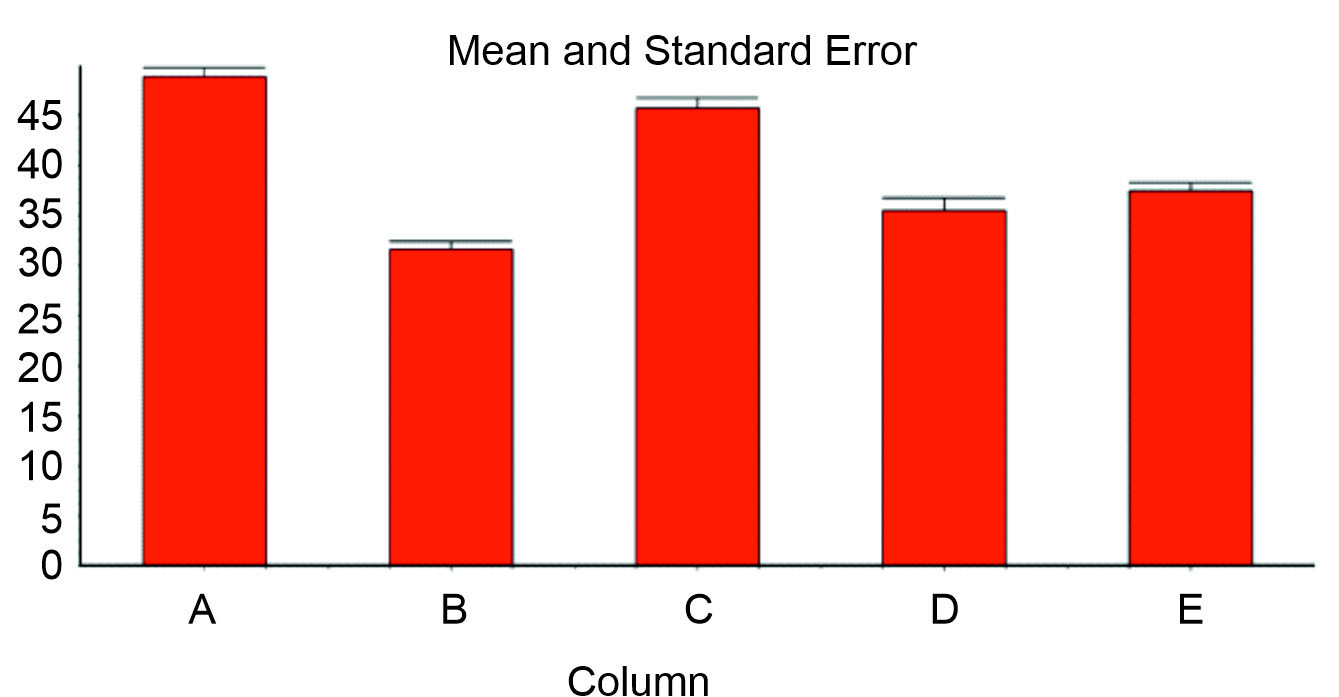
Number of crossings result ([Table 2]): The number of crossings observed in the control group was 31 ± 0.76, whereas in the fluoxetine-treated group shown 45.66 ± 1.14 crossings. A significant increase in the numbers of crossing in standard fluoxetine treated group were observed (p < 0.01). The SA-treated group exhibited 35.5 ± 1.23 crossings, which is moderately increased than control group (p < 0.05); means that drug showing increased locomotory and exploratory behavior activity. Curcuminoid-treated group shown 37.5 ± 0.76 crossings numbers which is more significantly than control group (p < 0.01). Curcuminoids showing better numbers of line crossing than Sinapic acid ([Figure 1]).
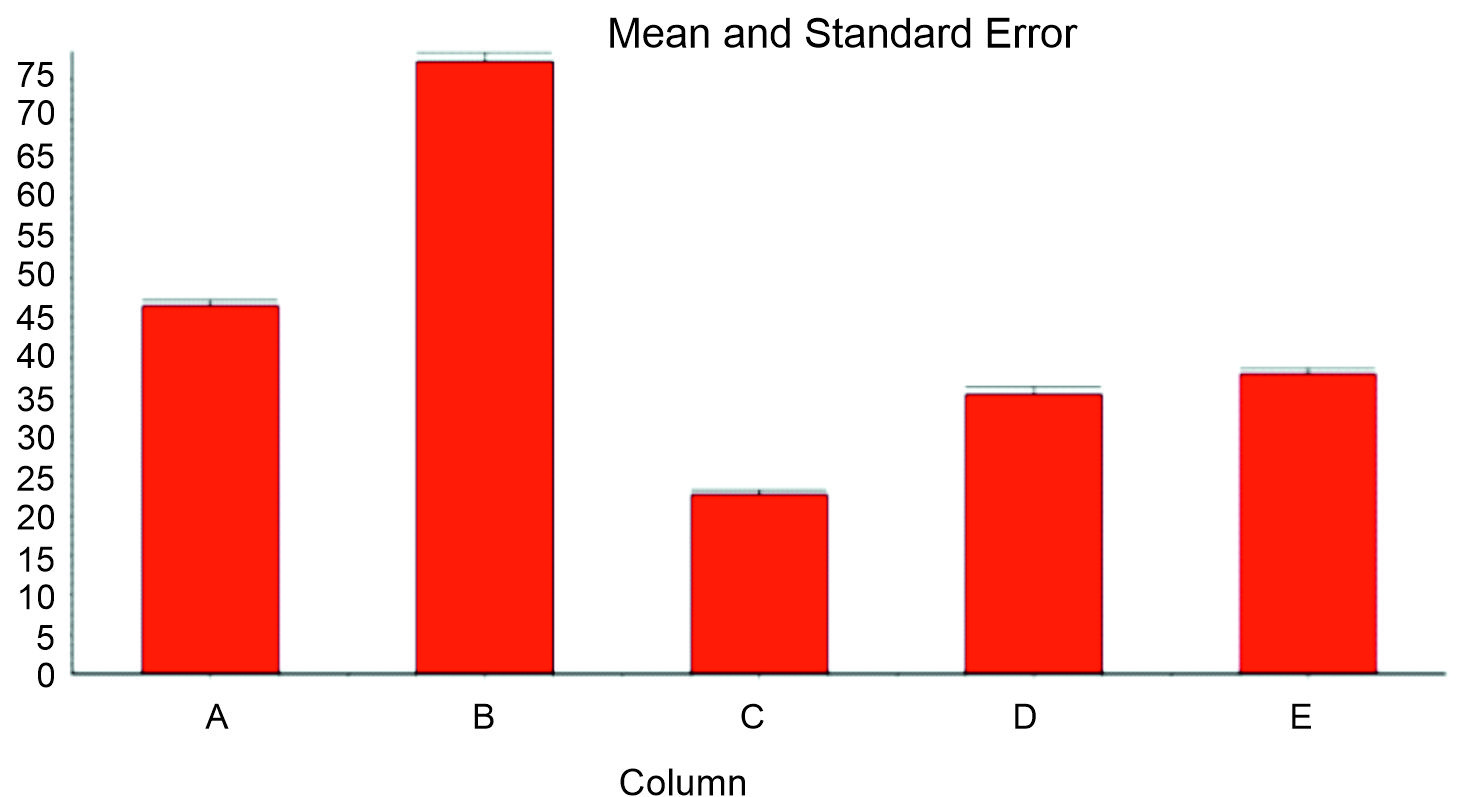
Grooming behavior result ([Table 2]): The grooming time observed in the control group was 77.33 ± 1.05sec., whereas the fluoxetine-treated group shown 22.66 ± 0.66sec. The SA-treated group exhibited 35.33 ± 0.88sec. grooming time, which is more significantly decreased as compare to control group (p < 0.01). Curcuminoid-treated group shown 37.83 ± 0.79sec. grooming time which is significantly decreased as compare to control group (p < 0.01). SA showing better reduction in grooming time than curcuminoids ([Figure 2]).
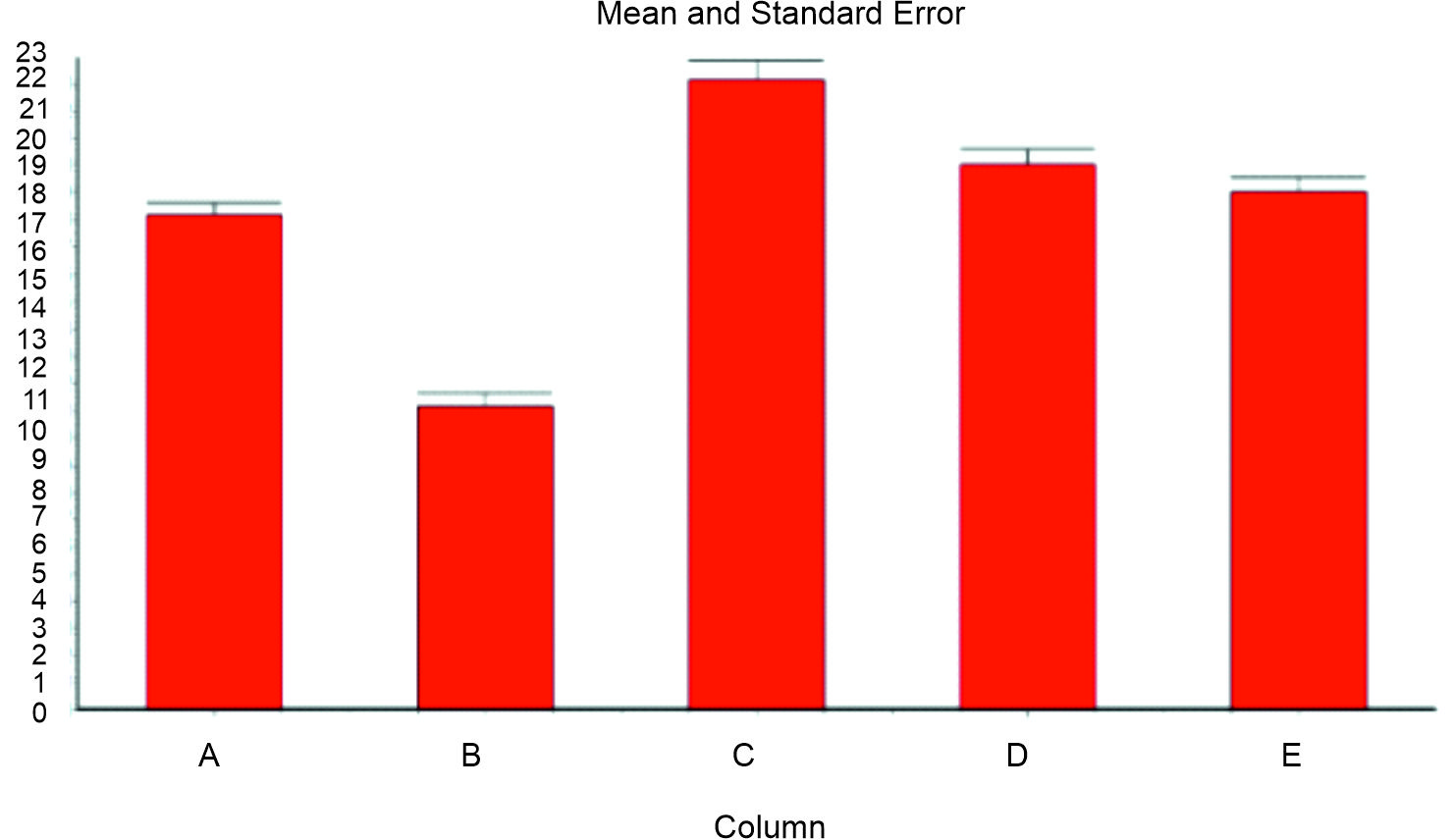
OFT rearing time result ([Table 2]): The rearing time observed in the control group was 11.16 ± 0.47sec., whereas the fluoxetine-treated group shown 23.16 ± 0.70sec. The SA-treated group exhibited 20 ± 0.57sec. of rearing time which is more significant as compare to control group (p < 0.01). Curcuminoid-treated group showed 19 ± 0.57sec. rearing time which is significant than control group (p < 0.01). SA shoving more significant rearing time as compare to curcuminoids ([Figure 3]).
3.3.2. Tail suspension test (TST)
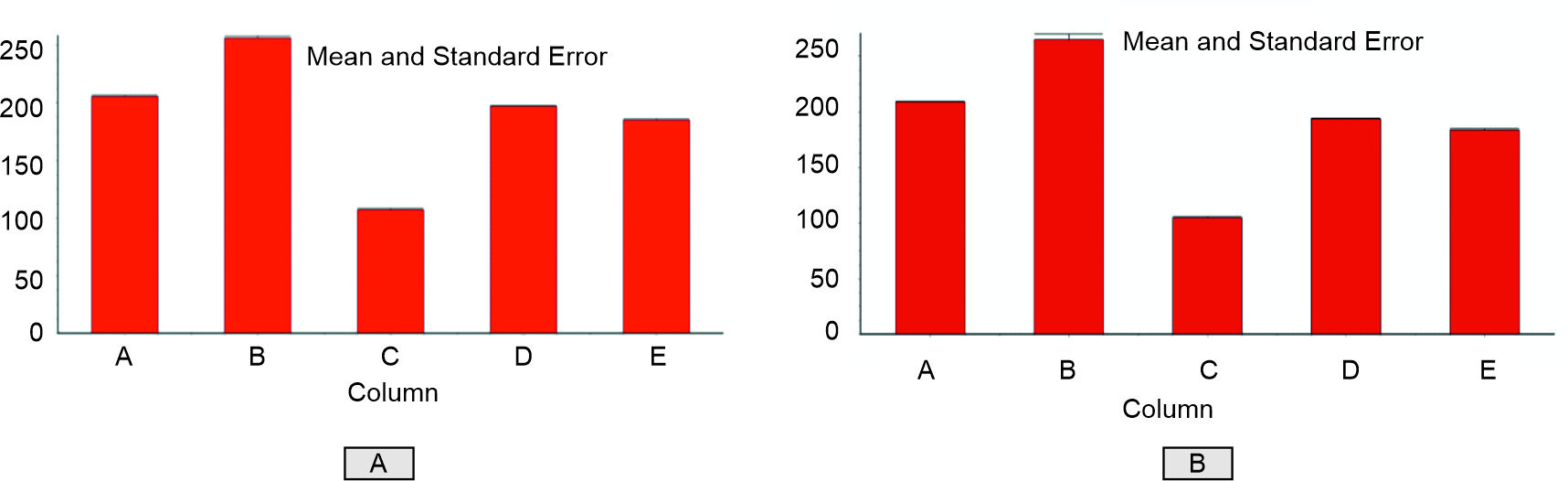
Results ([Table 3]): The Standard group shown 107.5 ± 0.76sec. (day 1) and 104.6 ± 1.22sec. (day 14) immobility time which is significant reduction in comparison to the control group shown at day 1 (256.16 ± 1.88sec.) and day 14 (264.6 ± 5.18sec.) (p < 0.01). Sinapic acid treated groups shown a significant reduction in immobility time in day 1 (197.16 ± 0.74sec.) and day 14 (193.6 ± 0.55sec.) as compared to the control group in both day 1 and day 14 (p < 0.01). Curcuminoid-treated groups shown a significant reduction in immobility time in day 1 (184.83 ± 1.35sec.) and day 14 (183.5 ± 1.33sec.) as compare to control group in both day 1 and day 14 (p < 0.01). Curcuminoid more significantly reduced immobility time than SA in both day 1 and day 14 data that suggests more significant antidepressant effect are approaching to those of fluoxetine. Curcuminoids demonstrated a greater reduction in immobility time (~30.8%) is more as compared to SA (~23%) (Figure 4 A,B).
|
Groups |
Dose (mg/kg) |
No. of Lines Crossings |
Grooming time (s) |
Rearing time (s) |
|---|---|---|---|---|
|
I Normal Control |
No stress, No treatment |
48.83 ± 0.94** |
46.5 ± 0.76** |
18.16 ± 0.47** |
|
II Control |
Reserpine + Vehicle treated |
31.66 ± 0.76 |
77.33 ± 1.05 |
11.16 ± 0.47 |
|
III Standard |
Reserpine + Fluoxetine (10mg/kg) |
45.66 ± 1.14** |
22.66 ± 0.66** |
23.16 ± 0.70** |
|
IV Test-1 |
Reserpine + Sinapic acid (25mg/kg) |
35.5 ± 1.23* |
35.33 ± 0.88** |
20 ± 0.57** |
|
V Test-2 |
Reserpine + Curcuminoids (100mg/kg) |
37.5 ± 0.76** |
37.83 ± 0.79** |
19 ± 0.57** |
|
Group no. |
TST-Immobility Time (s) |
SPT-Sucrose Preference (%) |
||
|---|---|---|---|---|
|
**Day 1** |
**Day 14** |
**Day 1** |
**Day 14** |
|
|
I Normal Control |
205.5 ± 1.33** |
209 ± 0.55** |
57.66 ± 0.80** |
42 ± 0.73** |
|
II Control |
256.16 ± 1.88 |
264.6 ± 5.18 |
55.5 ± 0.99 |
36 ± 0.96 |
|
III Standard |
107.5 ± 0.76** |
104.6 ± 1.22** |
56.66 ± 0.84** |
51.83 ± 0.60** |
|
IV Test-1 |
197.16 ± 0.74** |
193.6 ± 0.55 ** |
57 ± 0 . 57** |
46 ± 1.15** |
|
V Test-2 |
184.83 ± 1.35** |
183.5 ± 1.33** |
56.66 ± 0.80 ** |
42.5 ± 0.76 * |
3.3.3. Sugar preference field test (SPT)
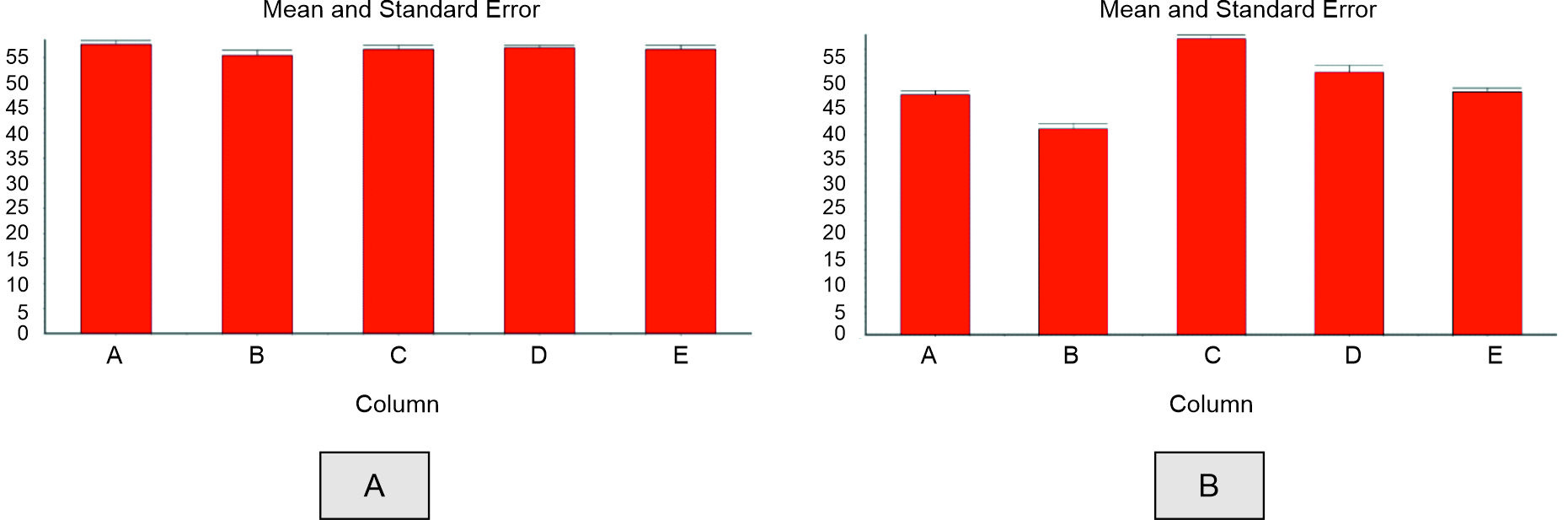
Results ([Table 3]): The Standard group shown slight increase at day 1 (56.66 ± 0.84%) and significant increase in sugar preference at day 14 (51.83 ± 0.60%) as compared to the control group shown by day 1 (55.5 ± 0.99 %) and day 14 (36 ± 0.96 %) (p < 0.01). SA treated groups shown slight increase in day 1 (57 ± 057%) and significant increase in sugar preference at day 14 (46 ± 1.15%) as compared to control group shown by day 1 and day 14 (p < 0.01). Curcuminoids treated groups shown slight increase in day 1 (56.66 ± 0.80%) and significant increase in sugar preference in day 14 (42.5 ± 0.76%) as compared to control group shown by day 1 and day 14 (p < 0.01). SA shown more significant increases in sugar preference at day 14 than SA in day 1 data that suggests more significant antidepressant effect as approaching to fluoxetine than curcuminoids (Figure 5 A,B).
4. Discussion
4.1. Qualitative test
Phenolic compounds and flavonoids are well known for their antioxidant, anti-inflammatory, and neuroprotective activities, which are closely associated with antidepressant mechanisms. Such compounds reduce oxidative stress and neuroinflammation which is key contributors to depressive disorders.
4.2. Acute oral toxicity test
The results of acute oral toxicity shown the safety profile of the tested drugs, where no any symptoms of fluid and electrolyte imbalance observed including gastrointestinal disturbances (nausea, vomiting, diarrhea), dry mouth, thirst, weakness, lethargy, restlessness, drowsiness, seizures, confusion, headache, muscle pains or cramps, hypotension, oliguria, arrhythmias. And none of the animals showed any symptom related to toxicity such as behavioral changes, convulsions, autonomic, physical changes and neurological changes. Therefore, decided dose is for Sinapic acid 25mg/kg and Curcuminoids 100mg/ kg was selected by oral gavage.
4.3. Behavioral tests
4.3.1. OFT for effect on locomotor activity
The number of line crossings in the OFT reflects locomotor and exploratory activity. In this study, SA and curcuminoids shown significant alteration in line crossings as compared to the control group (p < 0.05) baseline locomotor activity ([Table 3]). Line Crossing values observed in between the control and standard drug groups confirm that observed effects are not due to nonspecific motor stimulation or sedation. In comparison with Fluoxetine these supports the pharmacological relevance of these findings. Thus, the antidepressant-like effects observed in the TST and SPT are attributable to specific central activity and changes in motor function. Curcuminoids demonstrated a more significant effect as compared to Sinapic Acid.
Grooming behavior in rodents is considered as an indicator of emotional state and stress-related responses; often is associated with alterations in central neurotransmitter systems such as serotonergic and dopaminergic pathways. Significant decrease in the grooming time observed in standard fluoxetine treated group compare to control group (p < 0.01); Which indicates the reduced stress and improved emotional state as compare to control group are relevant to study. This suggests that the findings of test compounds do not induce stress, anxiety, or abnormal behavioral alterations; even they supporting the validity of the experimental model and indicating the observed effects are due to specific antidepressant action without affecting normal emotional or motor functions. Finding shows that test compounds are supporting to significant antidepressant-like activity and reduction in emotional stress. In the present study sinapis acid produced more significant reduction in grooming time compared to curcuminoids group; that is Sinapic acid showing better corrective activity than curcuminoids in emotional states.
Rearing behavior is an indicator of exploratory activity and emotional status associated with CNS function. Variations in rearing frequency may reflect changes in exploratory drive or behavioral responsiveness. Significant increase in the rearing time in standard fluoxetine treated group were observed as compared to control group(p < 0.01); indicating that exploratory behavior and reduced emotional stress are relent and thereby supporting the validity and reliability of the experimental model. Together with the changes in locomotor activity and grooming behavior suggests that the observed antidepressant-like effects are specific and not influenced by nonspecific motor or behavioral alterations. SA and Curcuminoids both showing significant effects as compare to control means that drug showing increased locomotory and exploratory behavior activity which indicates drug showing significantly reduced stress and improved emotional state is associated with CNS function. SA shoving more significant effect as compare to Curcuminoids in rearing time and this study supporting significant antidepressant-like activity.
Overall Discussion on Locomotor activity by OFT: After the recovery period (after treatment with SA and curcuminoids), there was increase in exploratory and locomotor activity observed in Reserpine induced group. Reserpine-induced mice demonstrated a significant increase in the number of line crossings, rearing episodes, enhanced exploratory and locomotor behavior in comparison to the control group. These findings indicate that reserpine administration markedly influences behavioral activity in mice and is recovered by test drug. The significant changes across all Open Field Test parameters indicates that the observed effects are not attributable to non-specific CNS activity; thereby confirming the validity and specificity of the test drug as antidepressant effects. Behavioral observations were recorded for a duration of 5 minutes and analysed using an automated video tracking system (ANY-maze). All experimental data were statistically compared with the control group. These findings are relevant which also did not alter locomotor activity and supporting the reliability of the experimental model.
4.3.2. TST for effect on behavioral despair discussion
The TST was used to evaluate antidepressant-like activity by measuring behavioral despair in mice that is a decrease in immobility time is considered as indicative of antidepressant effect.
The TST is a widely accepted model for screening antidepressant activity, based on the concept of behavioral despair. Animals subjected to inescapable stress to develop immobility; which is reduced by antidepressant agents.
In the present study, both SA and curcuminoids significantly decreased immobility time, indicating antidepressant-like effects. The effect observed with curcuminoids was more pronounced and approached that of the Standard. This suggests that curcuminoids exert a stronger modulatory effect on central neurotransmitter systems, particularly on monoamines.
The observed effects may also be linked to the antioxidant and anti-inflammatory properties of these compounds, which are known to play a role in alleviating depressive-like behavior. The results indicate that the test drugs exhibited significant antidepressant activity as expected compare to Standard drug. These findings suggest that both compounds possess promising pharmacological potential.
Since the OFT demonstrated the reduction in immobility time is attributed to specific antidepressant action rather than nonspecific motor stimulation. Both SA and curcuminoids also demonstrated notable efficacy and showing potentially superior antidepressant.
4.3.3. SPT for effect on anhedonia
Anhedonia defined as the inability to experience pleasure, is a key symptom of depression and is reliably assessed by using the SPT. A core symptom of depression that decreases sucrose consumption reflects depressive-like behavior; Whereas an increase in sucrose preference indicates antidepressant-like activity.
SA and curcuminoids significantly restored sucrose consumption as compared to control. This is suggesting improvement in reward-related depression behavior. The restoration of sucrose preference may be attributed to the modulation of monoaminergic neurotransmitters, particularly 5HT, DA and NE; which play a critical role in reward pathways. The antioxidant and anti-inflammatory properties of SA and curcuminoids may contribute to neuroprotection and improved neuronal function, thereby reducing depressive symptoms.
At day 14 study both SA and curcuminoids showing Significant sugar preference as compare to Control; indicating a stronger anti-anhedonia effect ([Table 3]). The magnitude of effect findings in study is Test 1 > Test 2 > Control (Figure 5 A, B).
SA shown a more significantly restoration effect as compare to curcuminoids; this significant sucrose preference is at Day 14 study. Finding Suggests significant antidepressant effect of sinapic acid compared to curcuminoids and produced better effects comparable to Control.
4.3.4. ANOVA analysis
Statistical analysis of the experimental data was performed using one-way ANOVA, which revealed a highly significant difference among the groups (P < 0.01) and indicating that the observed variations were not due to random chance. Further analysis using Dunnett’s multiple comparison test demonstrated that all treatment groups differed significantly from the control group.
4.3.5. Correlation with previous studies
These findings are supported by earlier research: Yoon BH, et al., reported antidepressant-like effects of Sinapic acid in mice.[11] Lopresti AL, et al., highlighted the role of curcuminoids in depression.[24]
5. Conclusion
In the present study, both phytochemicals significantly attenuated to the reserpine-induced model by increased locomotor activity, reduced immobility in despair-based tests, and improved anhedonia in the sucrose preference model that indicating notable antidepressant-like activity in mice. SA demonstrated greater improvement in anhedonia and cognitive-related parameters, whereas curcuminoids exhibited a more pronounced effect on despair-like behaviors.
Comparative study suggests that SA acts as a potent antioxidant with significant neuroprotective potential while curcuminoids possess broader neurotrophic and anti-inflammatory properties ([Table 4]).
|
Test |
Groups |
IV (Test-1) |
V (Test-2) |
|---|---|---|---|
|
OFT |
Dosage |
Reserpine + SA |
Reserpine + Curcuminoids |
|
Number of Lines Crossings |
++ |
+++ |
|
|
Rearing time (s) |
+++ |
++ |
|
|
Grooming time (s) |
+++ |
++ |
|
|
TST |
Day 1 Baseline |
++ |
+++ |
|
Day 14 |
++ |
+++ |
|
|
SPT |
Day 1 Baseline |
+++ |
++ |
|
Day 14 |
+++ |
++ |
6. Authors Contribution
Chetan Ekanath Patel: Conceptualization. Dr. Shikha Jaiswal: Writing – review editing. Dr. Vijay Patel: Conceptualization.
7. Source of Funding
None.
8. Conflict of Interest
None.
9. Ethical Approval
The study was approved by Institutional Animal Ethics Committee of Pretox Research Center, Surat, Gujarat (Ref. No. 1568/RO/c/11/CPCSEA/2026/09).
References
- Machado-Vieira R, Salvadore G, DiazGranados N, Ibrahim L, Latov D, Wheeler-Castillo C. New therapeutic targets for mood disorders. Sci World J. 2010;10:713-26. [Google Scholar] [Crossref]
- Niciforovic N, Abramovic H. Sinapic acid and its derivatives: Natural sources and bioactivity. Compr Rev Food Sci Food Saf. 2014;13(1):34-51. [Google Scholar] [Crossref]
- Lopresti A, Maes M. Maker GL, Hood SD, Drummond PD. Curcumin for the treatment of major depression: a randomised, double-blind, placebo controlled study. J Affect Disord. 2014;167:368-75. [Google Scholar] [Crossref]
- Song C, Leonard B. The olfactory bulbectomised rat as a model of depression. Neurosci Biobehav Rev. 2005;29(4–5):627-47. [Google Scholar] [Crossref]
- Pandi A, Kalappan V. Pharmacological and therapeutic applications of Sinapic acid-an updated review. Mol Biol Rep. 2021;48(4):3733-45. [Google Scholar] [Crossref]
- Ramaholimihaso T, Bouazzaoui F, Kaladjian A. Curcumin in Depression: Potential Mechanisms of Action and Current Evidence-A Narrative Review. Front Psychiatry. 2020;11. [Google Scholar] [Crossref]
- Rinwa P, Kumar A, Garg S. Suppression of neuroinflammatory and apoptotic signaling cascade by curcumin alone and in combination with piperine in rat model of olfactory bulbectomy induced depression. PLoS ONE. 2013;8(4). [Google Scholar] [Crossref]
- Verma V, Singh D, KH R. Sinapic acid alleviates oxidative stress and neuro-inflammatory changes in sporadic model of alzheimer’s disease in rats. Brain Sci. 2020;10(12). [Google Scholar] [Crossref]
- Kulkarni S, Bhutani M, Bishnoi M. Antidepressant activity of curcumin: involvement of serotonin and dopamine system. Psychopharmacology (Berl). 2008;201(3):435-42. [Google Scholar] [Crossref]
- El-Saadony M, Saad A, Mohammed D, Alkafaas S, Ghosh S, Negm S. Curcumin, an active component of turmeric: biological activities, nutritional aspects, immunological, bioavailability, and human health benefits - a comprehensive review. Front Immunol. 2025;16. [Google Scholar] [Crossref]
- Yoon B, Jung J, Lee J, Cho Y, Jang C, Jin C. Anxiolytic-like effects of Sinapic acid in mice. Life Sci. 2007;81(3):234-40. [Google Scholar] [Crossref]
- Anand P, Kunnumakkara A, Newman R, Aggarwal B. Bioavailability of curcumin: problems and promises. Mol Pharm. 2007;4(6):807-18. [Google Scholar] [Crossref]
- Fusar-Poli L, Vozza L, Gabbiadini A, Vanella A, Concas I, Tinacci S. Curcumin for depression: a meta-analysis. Crit Rev Food Sci Nutr. 2020;60(15):2643-53. [Google Scholar] [Crossref]
- Hewlings S, Kalman D. Curcumin: A review of its effects on human health. Foods. 2017;6(10). [Google Scholar] [Crossref]
- Prasad S, Gupta S, Tyagi A, Aggarwal B. Curcumin, a component of golden spice: from bedside to bench and back. Biotechnol Adv. 2014;32(6):1053-64. [Google Scholar] [Crossref]
- Liu M, Yin C, Zhu L, Zhu X, Xu C, Luo C. Sucrose preference test for measurement of stress-induced anhedonia in mice. Nat Protoc. 2018;13(7):1686-98. [Google Scholar] [Crossref]
- National RC. . 8th ed. 2011. [Google Scholar]
- . OECD guidelines for the testing of chemicals. [Internet]. 2024. [Google Scholar]
- Wong D, Bymaster F, Engleman E. Prozac (fluoxetine, lilly 110140), the first selective serotonin uptake inhibitor and an antidepressant drug: Twenty years since its first publication. Life Sci. 1995;57(5):411-41. [Google Scholar] [Crossref]
- Hill M, Hellemans K, Verma P, Gorzalka B, Weinberg J. Neurobiology of chronic mild stress: parallels to major depression. Neurosci Biobehav Rev. 2012;36(9):2085-117. [Google Scholar] [Crossref]
- Willner P. Reliability of the chronic mild stress model of depression: A user survey. Neurobiol Stress. 2016;6:68-77. [Google Scholar] [Crossref]
- Cryan J, Mombereau C, Vassout A. The tail suspension test as a model for assessing antidepressant activity: review of pharmacological and genetic studies in mice. Neurosci Biobehav Rev. 2005;29(4-5):571-625. [Google Scholar] [Crossref]
- Castrén E VVRT. Role of neurotrophic factors in depression. Curr Opin Pharmacol. 2007;7(1):18-21. [Google Scholar] [Crossref]
- Lopresti A, Maes M, Maker G, Hood S, Drummond P. Curcumin for the treatment of major depression: a randomised, double-blind, placebo controlled study. J Affect Disord. 2014;167:368-75. [Google Scholar] [Crossref]
- Can A, Dao D, Arad M, Terrillion C, Piantadosi S, Gould T. The tail suspension test. J Visualized Exp. 2012. [Google Scholar] [Crossref]
- Berrio J, Hestehave S, Kalliokoski O. Reliability of sucrose preference testing following short or no food and water deprivation-a Systematic Review and Meta-Analysis of rat models of chronic unpredictable stress. Transl Psychiatry. 2024;14(1). [Google Scholar] [Crossref]
- Field A. Discovering statistics using IBM SPSS statistics. 4th ed. 2013. [Google Scholar]
- Motulsky H. . 3rd ed., pp. 2014. [Google Scholar]
- Maheshwaran L, Nadarajah L, Senadeera N, Ranaweera C, Chandana A, Pathirana R. Phytochemical testing methodologies and principles for preliminary screening: Qualitative testing. Asian Plant Res J. 2024;12(5):11-38. [Google Scholar] [Crossref]
- Sadasivam S, Manickam A. . 3rd ed., pp. 2008. [Google Scholar]
- Wagner H, Bladt S. . 2nd ed., pp. 1996. [Google Scholar]
- Abstract
- 1. Introduction
- 2. Materials and Method
- 2.1. Chemicals and equipment
- 2.2. Qualitative tests for Sinapic acid and curcuminoids
- 2.3. Animals and ethical approval
- 2.4. Housing conditions for experimental study
- 2.5. Acute oral toxicity studies
- 2.6. Experimental study
- 3. Results
- 3.1. Qualitative phytochemical confirmation
- 3.2. Acute oral toxicity test for dose selection
- 3.3. Evaluation of behavioral parameters
- 4. Discussion
- 5. Conclusion
- 6. Authors Contribution
- 7. Source of Funding
- 8. Conflict of Interest
- 9. Ethical Approval
- References
Article Metrics
- Visibility 34 Views
- Downloads 25 Views
- DOI 10.18231/j.ijpp.17501.1781683527
-
CrossMark

- Citation
- Received Date May 19, 2026
- Accepted Date June 22, 2026
- Publication Date August 03, 2026